
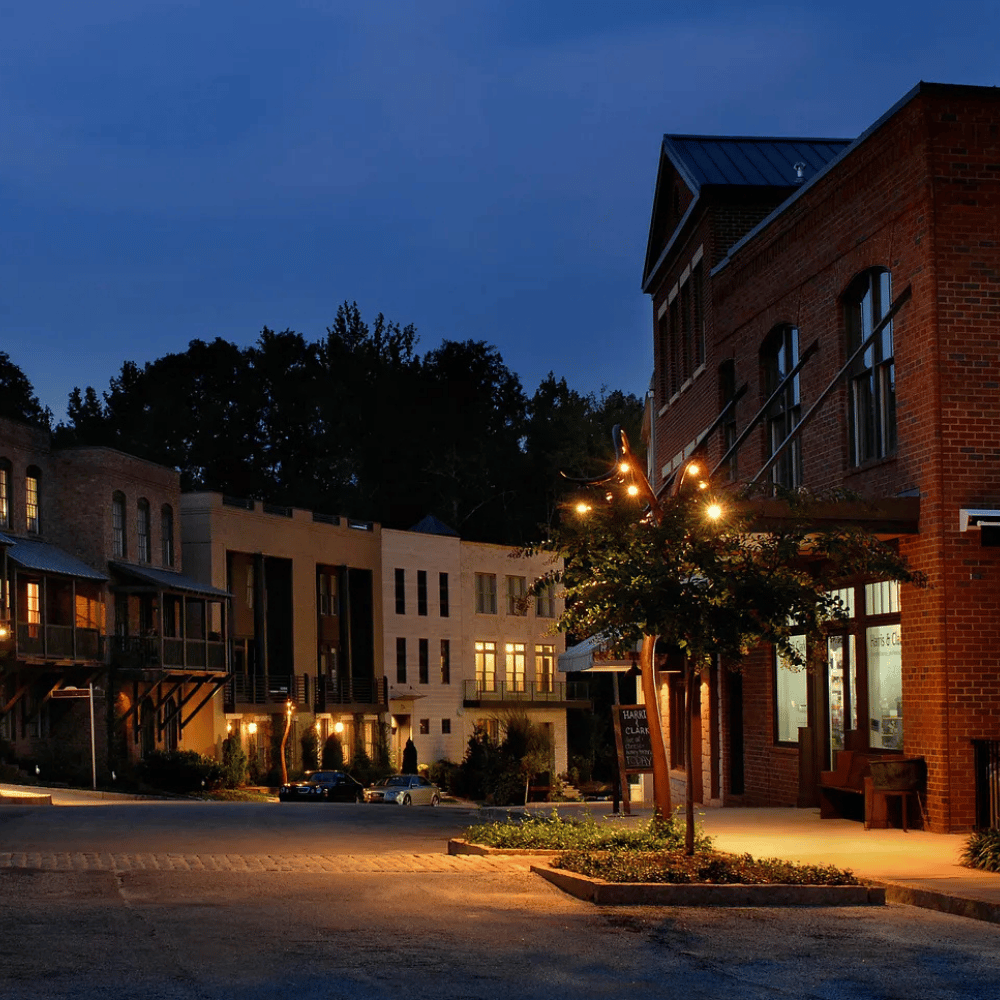

How thoughtful lighting protects wildlife, supports human health, and keeps the night sky visible.
In more than two-thirds of the United States, it’s impossible to see the Milky Way. Even more striking, nearly 99% of Americans live under light-polluted skies. In many places, even high-powered telescopes struggle to capture stars and planets that are increasingly outshone by artificial light from homes, buildings, roads, and cities.
But light pollution is about far more than losing our view of the night sky. Artificial light at night is increasingly disrupting wildlife in ways both visible and unseen. Many species evolved around natural cycles of daylight and darkness, and excessive nighttime lighting can interfere with migration, feeding, reproduction, and sleep. Even plants are affected, with altered flowering and growth patterns tied to prolonged exposure to light.
Humans are affected, too. Light pollution disrupts our natural circadian rhythms and suppresses melatonin production, the hormone that helps regulate sleep. This biological confusion has been linked to insomnia, depression, obesity, and increased risks for certain cancers, while excessive nighttime glare can also create safety concerns for drivers and pedestrians alike.
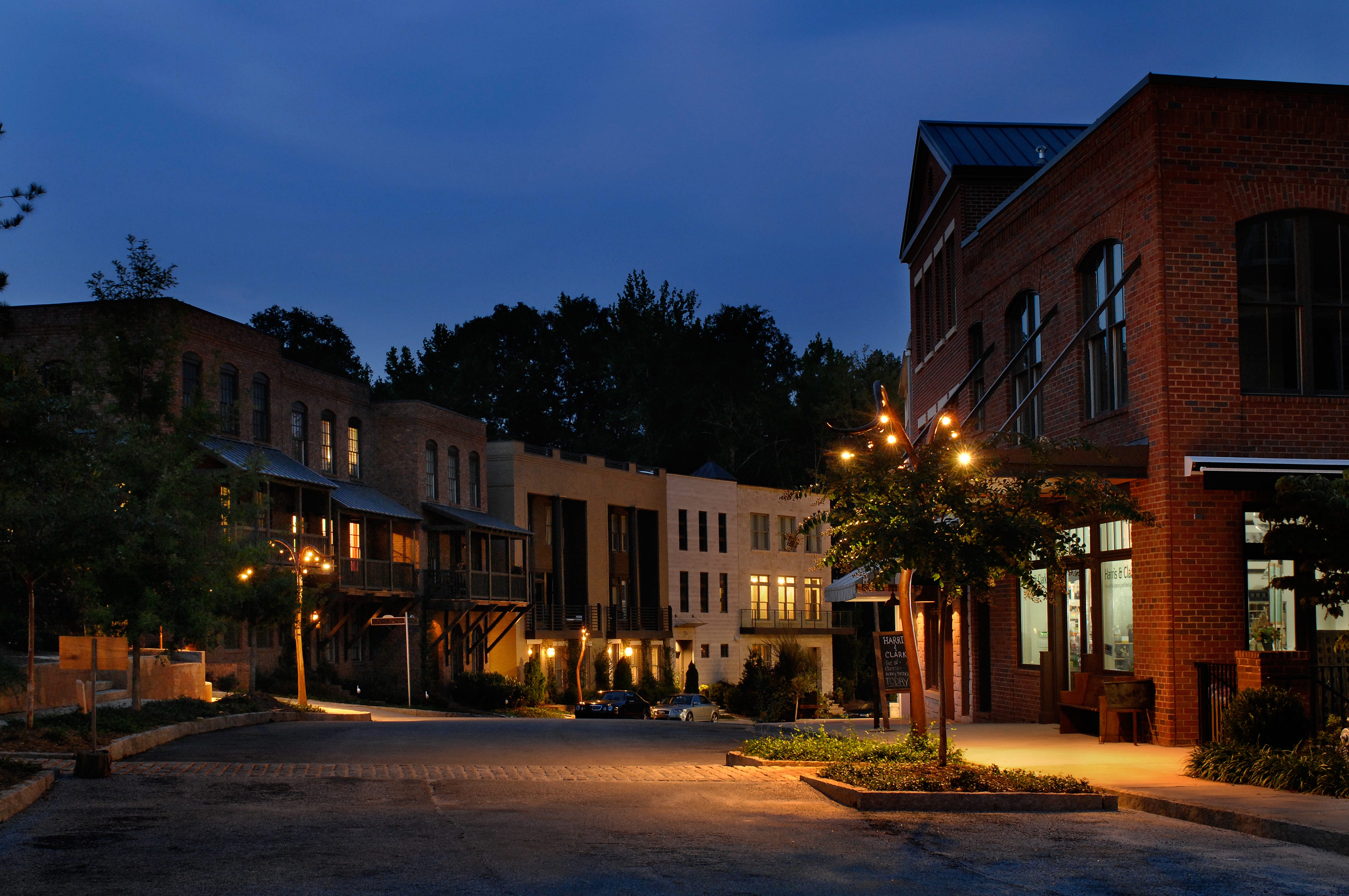
At Serenbe, protecting the night sky is part of the community’s larger commitment to living in harmony with nature. Serenbe combats light pollution through citywide Dark Sky Regulations based on recommendations from the International Dark-Sky Association. All residential and commercial exterior lighting is downward-facing, including street lamps, which helps prevent light from spilling across property boundaries and into the sky. Residents are required to use lower-wattage exterior bulbs, and community events observe a 10:30 p.m. curfew to preserve the quiet and darkness of the evening hours.
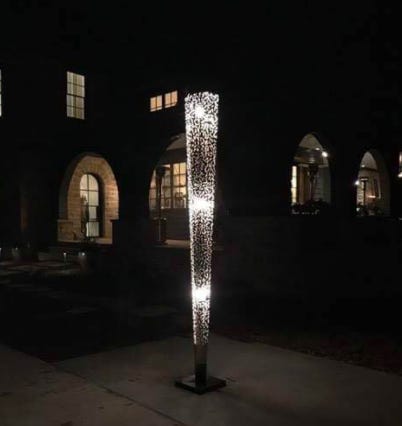
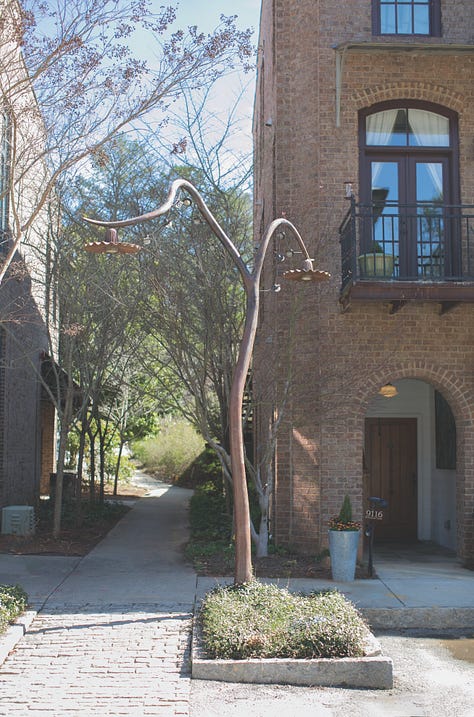
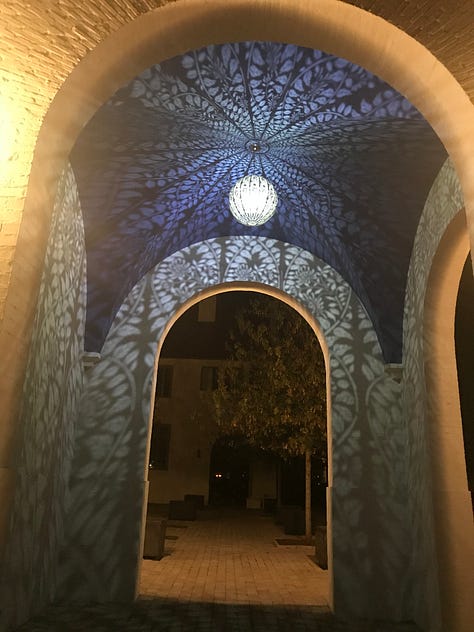
That’s why dark sky regulations are critical in urban areas as well. These initiatives don’t mean turning cities dark; they mean using light more thoughtfully. Simple strategies like downward-facing fixtures, shielded streetlights, motion sensors, warmer-colored bulbs, reduced brightness levels, and curfews for nonessential lighting can dramatically reduce light pollution while still maintaining safety and visibility.
At Serenbe, being able to admire the natural beauty of the night sky is part of everyday life. So grab a blanket, lay down, and look up. Maybe you’ll spot a shooting star or rediscover your favorite constellation. Just don’t forget to turn off the lights.