

.jpeg)
Serenbe: Twenty Years of Building a Better Way to Live

This article first appeared on Steve Nygren’s Substack, where Steve regularly shares his writing. Follow him here.
Nestled in Chattahoochee Hills, just outside Atlanta, Serenbe is a community born from a powerful idea: that development can be both environmentally responsible and deeply connected to human well-being. Often described as a “village in the woods,” Serenbe is far more than a collection of homes. It’s a living experiment in sustainable living, biophilic design, and intentional community.
The seeds of Serenbe were planted during what seemed like an ordinary morning jog in the late 1990s. I was running near our family’s farm when a bulldozer was taking down trees on a nearby property and I immediately feared the worst: that it was being eyed for conventional suburban development. That moment sparked a realization. If we didn’t act, this pristine landscape, with its rich biodiversity, rolling meadows, and quiet woodlands, could be lost forever.
Traditional development, characterized by sprawling subdivisions and disconnected strip malls, often prioritizes speed, profit, and cars, over sustainability or livability. It fragments ecosystems, paves over farmland, and creates car-dependent environments that isolate people from nature and each other. These developments consume vast amounts of land and our natural resources, while offering little in the way of community or environmental stewardship.
I knew we needed an alternative.
From that concern grew a vision: to create a new kind of community, one that preserved the natural beauty of the land while fostering human connection, health, and creativity.
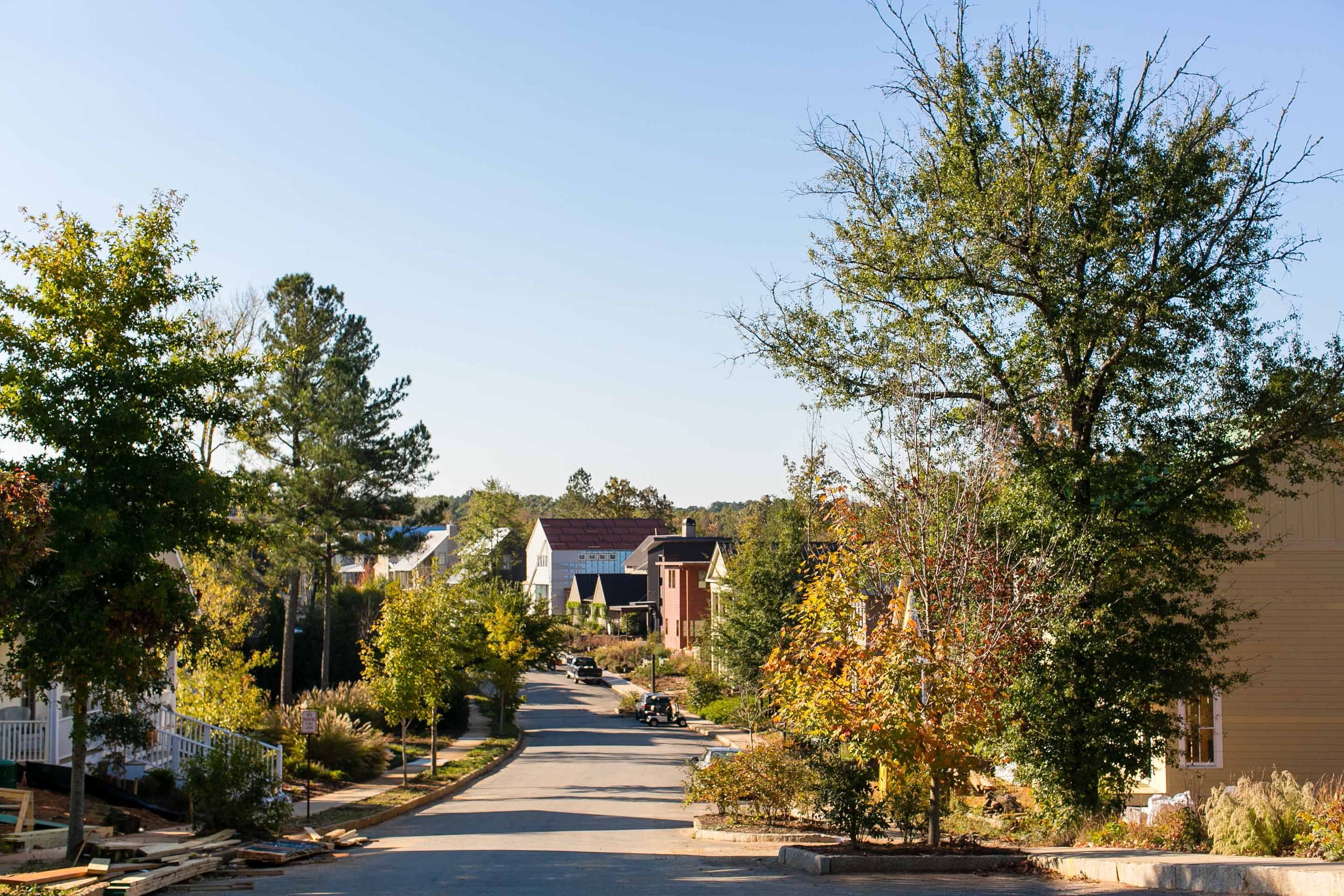
By 2005, that vision began to take shape when the first residents moved into Serenbe’s first hamlet, Selborne. I was going to build a community centered on the arts, nature, and agriculture. It wasn’t easy. Many doubted whether our ideas of sustainability, walkability, and local food systems could work at scale. But we held firm to our founding principles: preserve at a minimum of 70% of the land as green space, build using environmentally responsible methods, and cultivate a strong sense of place and community. These early choices became the foundation of what Serenbe is today.
Over the years, Serenbe has evolved through distinct phases that have each added new layers to the community. We introduced farm-to-table restaurants, beginning with The Blue Eyed Daisy and followed quickly by The Farmhouse, to demonstrate that local food is more delicious and can support a regional farming network. . We built an innovative arts program to turn Serenbe into a cultural hub. In 2014, we broke ground on Mado, our wellness-focused hamlet, designed to support lifelong health through integrative care, fitness, and community-based living. From Earthcraft-certified -homes, from 900 square feet to multi-family residences and geothermal infrastructure, every innovation has challenged the conventional boundaries of suburban development.
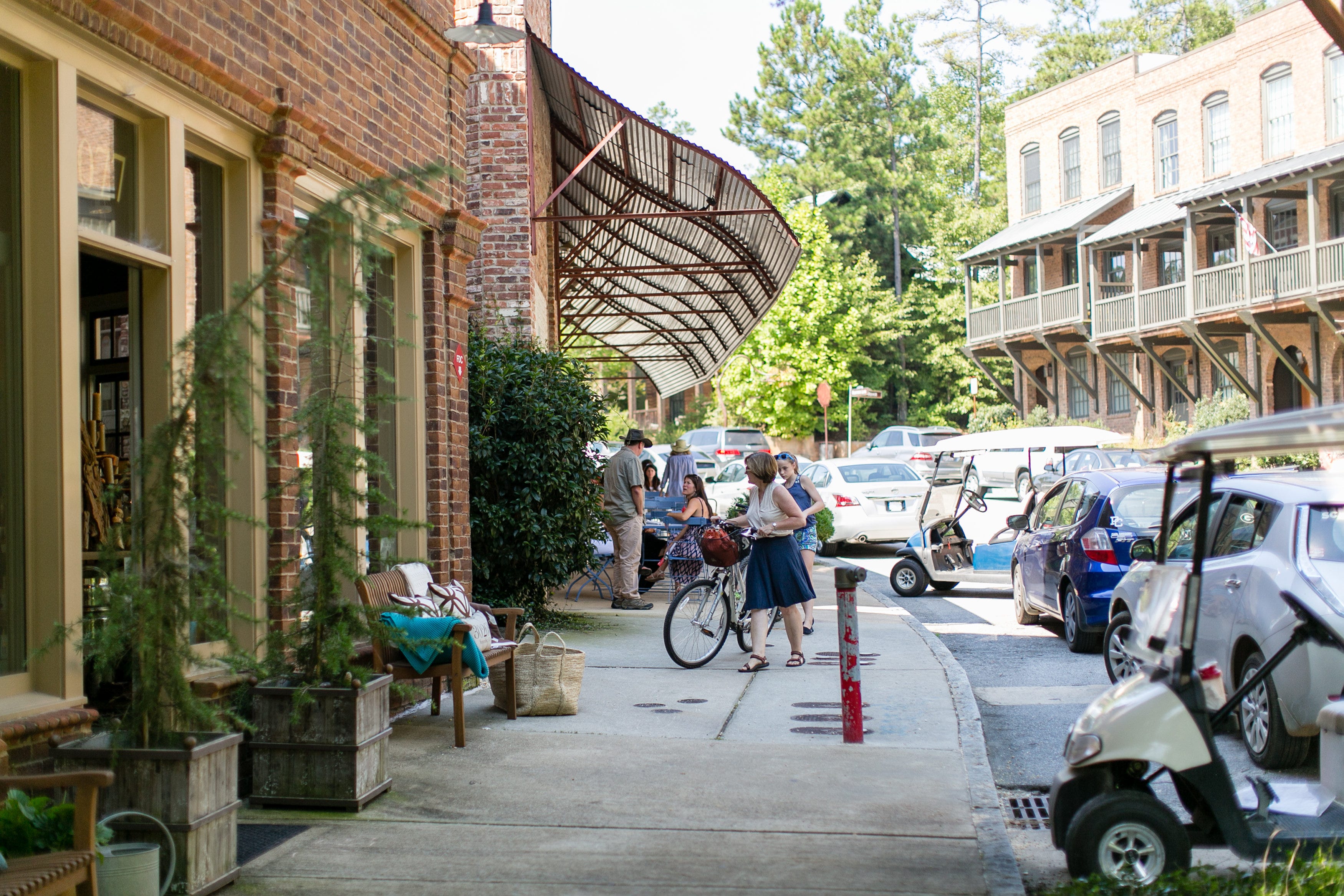
Serenbe’s community design intentionally weaves together homes, nature, and agriculture. Our 25-acre organic farm and edible landscaping including blueberry bushes at crosswalks are integral to how we live. The farm connects residents to the food they eat and the land it grows on. We’ve become a national model for the “agrihood” movement, showing how sustainable food systems can be integrated into residential life.
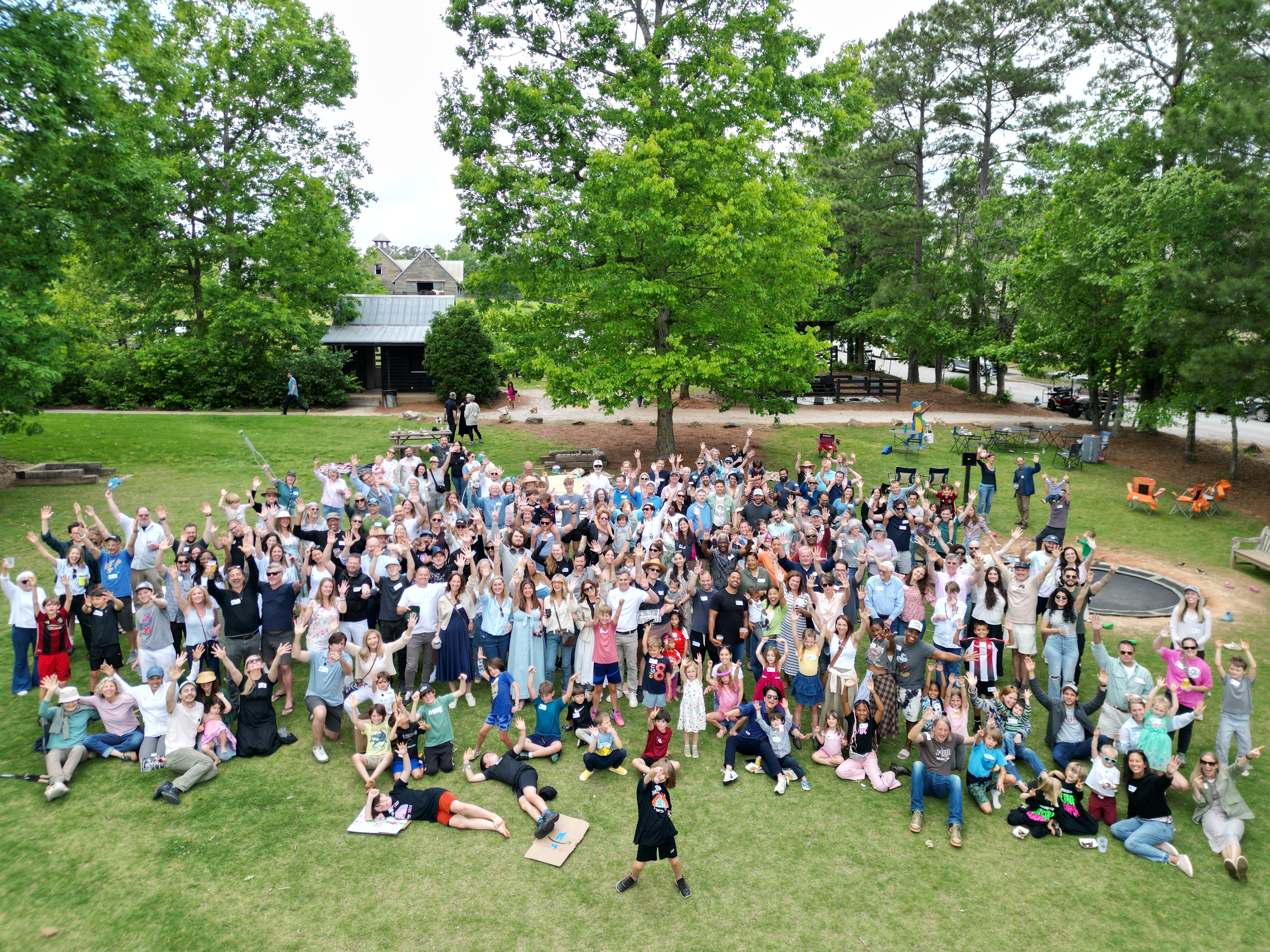
What truly defines Serenbe, however, is the rhythm of community life. Our front porches, shared green spaces, farmers markets, community mail sheds, and outdoor performances foster spontaneous interaction and genuine connection. Here, neighbors become friends not by chance, but by design.
Now, as we celebrate 20 years since Serenbe began, I look back with deep gratitude and pride. What started as a response to potential sprawl has become a global example of how we can build in harmony with nature—and with each other. The success of Serenbe proves that people long for more meaningful connections: to their environment, their food, and their neighbors. That people are seeking community and joy in their day to day.
And we’re just getting started. As we look to the next chapter, we’re exploring new housing solutions, expanding education and wellness programs, and continuing to prove that sustainability and prosperity are partners in building a better future.
Serenbe isn’t just a place. It’s a movement, a model, and a testament to what’s possible when we dare to rethink how we live.