


Traditional lawns harm ecosystems, waste water and rely on chemicals. By replacing them with native, regenerative landscapes, we can support biodiversity, improve health, and reconnect.
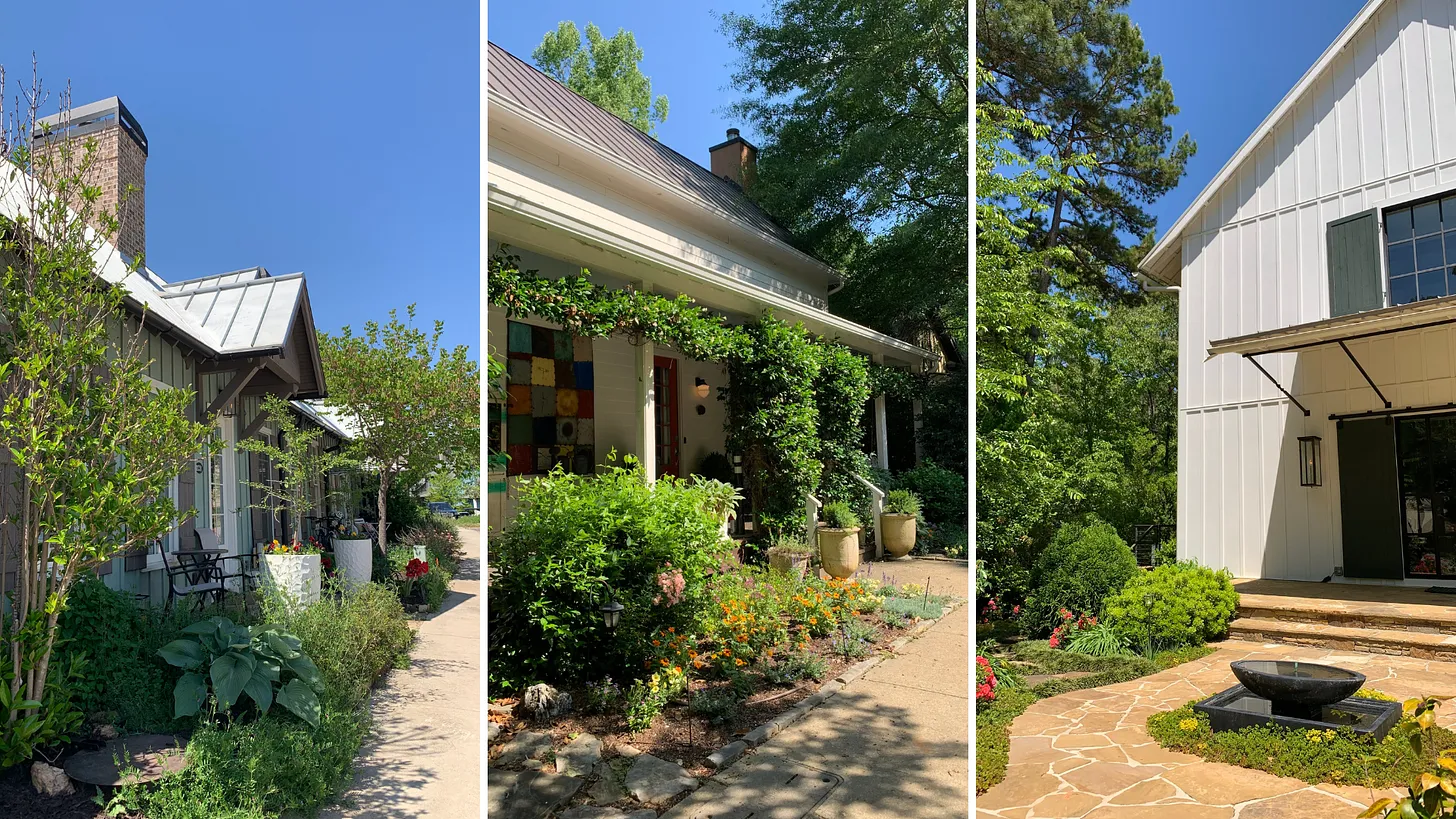
Guest post from Serenbe founder Steve Nygren
In a time of climate uncertainty, species loss, and increasing disconnection from the natural world, we are long overdue for a fundamental rethink of the landscapes that surround our homes. For many Americans, the yard is their most consistent daily contact with nature. Ironically, however, our default choice of green space does little to support natural systems.
In fact, it often harms them.
If we truly want to live in a way that supports biodiversity, human health, and a more harmonious relationship with the planet, we need to let go of traditional lawns and embrace more regenerative, ecologically supportive landscaping.
Grass lawns may seem harmless but they come at a cost. For one, turf grass isn’t native to most of North America. It typically requires fertilizer, herbicides, and pesticides to maintain its uniform, and “healthy” appearance. And these chemicals don’t stay neatly on the lawn. They leach into the soil and groundwater, drift into the air, and harm surrounding wildlife. The very effort to keep lawns looking pristine creates ripple effects across the ecosystem, undermining the health of the land around them.
Beyond the environment, our own health is at stake. If landscapers are legally required to post signs warning you not to step on your lawn for 24 hours after treatment, what does that say about the safety of these products? Even with precautions, chemicals can be tracked indoors on shoes or pets, or linger in the air we breathe. In fact, various lawn care chemicals have been linked to certain cancers, neurological conditions, and immune system disorders.
Lawns are also deeply wasteful. According to the EPA, nearly one-third of all residential water use in the U.S. (that’s almost 9 billion gallons per day) is devoted to landscape irrigation, much of it for lawns. This is an enormous misuse of potable water, especially in drought-prone regions. On top of that, yard trimmings account for over 35 million tons of municipal solid waste in 2018 alone. What’s worse, these “green deserts” actively push out native plants, pollinator species, and even beneficial predators that help manage pests like mosquitoes. The result? Less biodiversity, more mosquitoes, and a silent collapse of the food web right outside our doors.
Then there’s the noise and pollution. Lawnmowers, leaf blowers, and trimmers produce considerable noise and contribute to air pollution. Add in the time commitment, and it’s easy to see that the grass lawn isn’t just environmentally damaging; it’s also burdensome. Weekends could be spent enjoying nature, not endlessly trying to tame it.
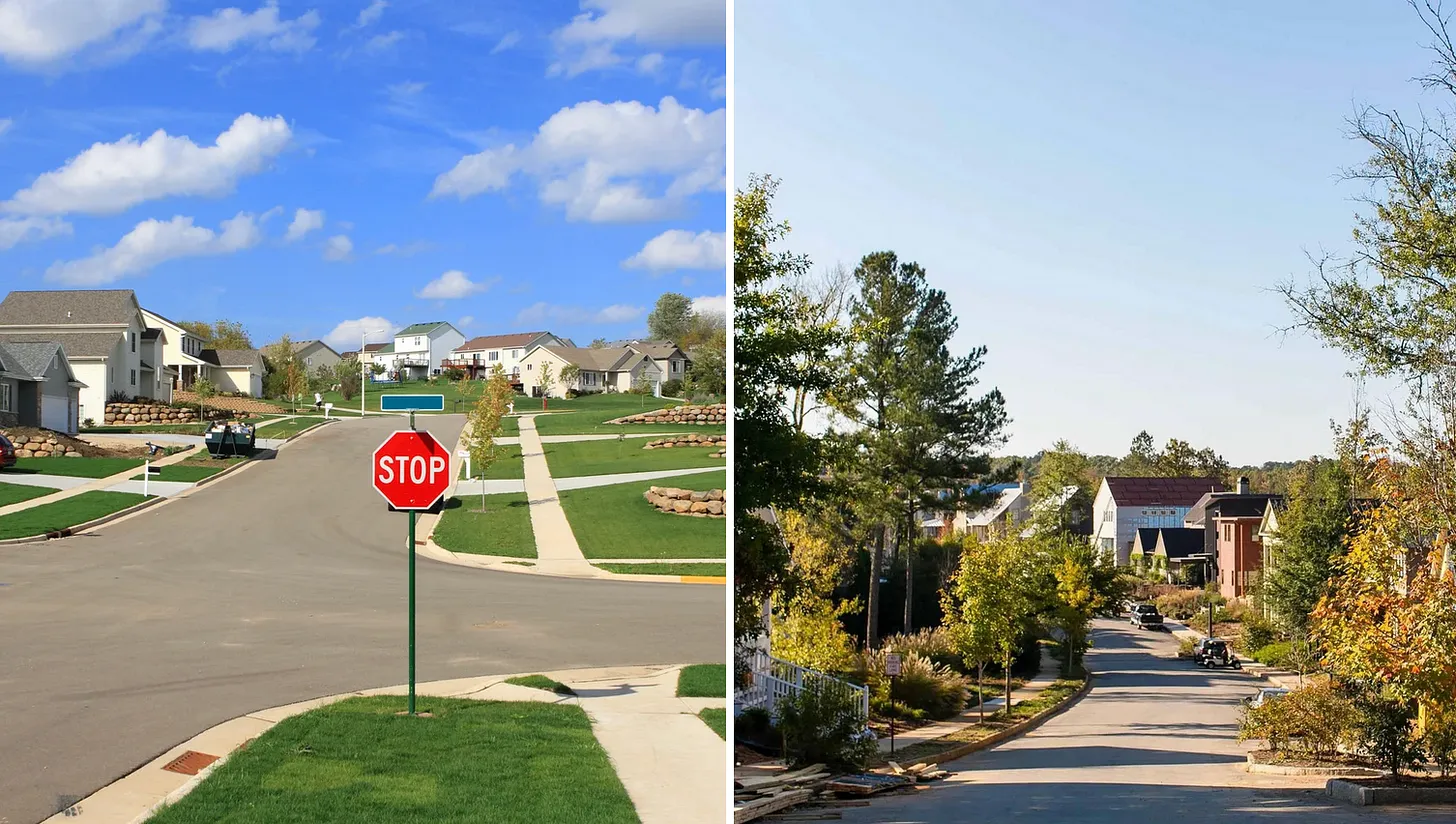
Fortunately, there are better models. At Serenbe, we’ve intentionally chosen a different approach. Our landscaping prioritizes native perennials, edible greenery, and pollinator-friendly plants that thrive without chemicals or excessive water. Lawns are replaced with lush, layered plantings that look beautiful and serve a larger ecological purpose. The result is a streetscape that feels more like a living ecosystem than a display case. Visitors sometimes can’t quite put their finger on what’s different, but they definitely feel it.
Perhaps most importantly, this approach reestablishes a connection to the rhythms of nature. It invites people to see their yard not as something to be conquered and controlled, but as a living, dynamic space that reflects the region’s true character. Rewilding even a small portion of a yard by planting native species, reducing turf, or letting a corner go a little wild, can offer immense returns for biodiversity and mental well-being.
The grass lawn is a relic of a different era, one that prized conformity and curb appeal over ecology and resilience. But we are living in a new time, one that calls for new thinking. By letting go of lawns and embracing more natural, biodiverse landscapes, we can begin to repair our relationship with the land and create more vibrant, sustainable communities in the process.